

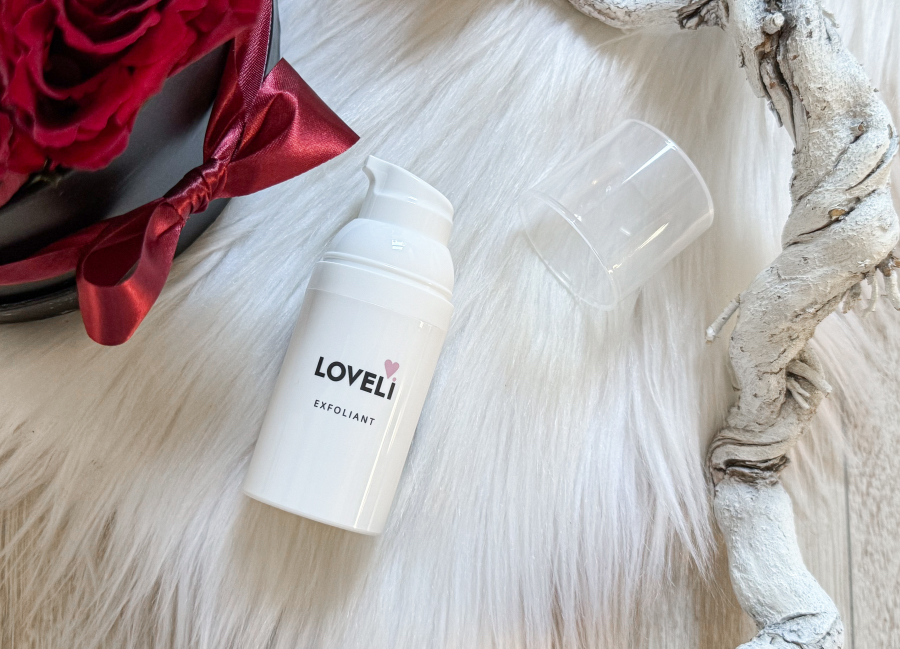
Alright, let’s get something straight right off the bat. A lot of you are probably looking at LOVELI’S Exfoliant because you saw a catchy ad or a glowing review from someone who’s probably only used a handful of products in their life. I get it. The marketing is slick, the promises are grand, and the idea of a simple, all-natural solution sounds amazing. But after years of trying every single exfoliant under the sun—from drugstore duds to high-end miracles—I’ve learned a thing or two. Most of what gets hyped up as revolutionary? It’s just not. And frankly, if you’re serious about your skin, you need to understand why products like LOVELI’S often miss the mark. You deserve better than vague claims and ineffective formulations. Don’t waste your money.
Stop Falling for the Hype: My Take on LOVELI’S Exfoliant
Look, I’m not here to sugarcoat things. If you’re considering LOVELI’S Exfoliant, my honest advice, based on years of navigating the skincare jungle, is this: skip it. I’ve seen this pattern countless times. A brand pops up, touting “natural” ingredients or a “gentle yet effective” formula, often without providing the actual scientific backing or active ingredient percentages that truly matter. It’s like buying a car without knowing its horsepower or fuel efficiency—you’re flying blind. My issue with many products in this category, and specifically with what I’ve observed of the LOVELI’S approach, is the lack of transparency and often, a fundamental misunderstanding of how chemical exfoliation actually works.
A good exfoliant needs to be formulated with specific active ingredients at precise pH levels and concentrations to deliver results. If the ingredient list is ambiguous, or if it relies too heavily on physical abrasives rather than chemical exfoliants, you’re either getting something ineffective or, worse, potentially damaging. I’ve learned that a product might feel nice, smell great, or have beautiful packaging, but if it doesn’t clearly state its active ingredients, their percentages, and its pH, then you’re probably paying for marketing, not performance. Your skin deserves active ingredients that are proven to work, not just pretty promises.
The Problem with Vague "Natural" Claims
This is a pet peeve of mine. When a brand pushes a product as “all-natural” or “botanical-infused” without specifying the *active* form and concentration of those ingredients, it’s a red flag. Take a product that claims to have “fruit acids” without specifying if it’s glycolic, lactic, or malic acid, or at what percentage. You simply have no idea what you’re actually putting on your face. You might be getting a concentration so low it does nothing, or a blend that’s unstable. True exfoliation comes from specific acids like glycolic, lactic, or salicylic, and their efficacy is directly tied to their concentration and the product’s pH. If a product like LOVELI’S doesn’t lay that out clearly, it’s probably because there’s not much active to brag about, or it’s trying to appeal to a crowd that’s scared of “chemicals” (which, by the way, everything is a chemical). Don’t let buzzwords fool you. You want science, not poetry.
Why pH Matters More Than You Think
This is crucial, and it’s a detail often overlooked by brands focused on aesthetics. Chemical exfoliants, particularly AHAs (Alpha Hydroxy Acids) and BHAs (Beta Hydroxy Acids), work best within a specific pH range. For AHAs, this is typically between pH 3.0 and 4.0. If the pH is too high (more alkaline), the acids become less effective, essentially turning into sugars that don’t do much exfoliating. If it’s too low, it can become overly irritating. Many “natural” or “gentle” exfoliants might have a higher, more skin-friendly pH, but this often compromises their efficacy. My skin learned this the hard way years ago. I thought I was being gentle, but really, I was just using an expensive toner that did nothing because its pH was too high for the lactic acid to do its job. Always check for products that clearly state their pH or come from reputable brands known for their scientific formulations.
Understanding Exfoliant Types: The Real Deal on AHAs, BHAs, and PHAs
Before you even think about what product to buy, you need to understand what kind of exfoliation your skin actually needs. There are two main categories: physical and chemical. For the love of your skin, mostly stick to chemical. Physical exfoliants—those scrubs with beads or gritty particles—can be too abrasive, causing micro-tears and irritation, especially if you have sensitive or acne-prone skin. Leave those for your body, not your face. Chemical exfoliants, on the other hand, use acids to gently dissolve the bonds holding dead skin cells together, leading to a smoother, brighter complexion without harsh scrubbing. They’re far more effective and much safer for regular use.
Within chemical exfoliants, you primarily have three major players: Alpha Hydroxy Acids (AHAs), Beta Hydroxy Acids (BHAs), and Polyhydroxy Acids (PHAs). Each one works slightly differently and targets specific skin concerns. Knowing which one is right for you is half the battle. This isn’t about trial and error; it’s about making an informed choice for your skin’s health.
Glycolic Acid vs. Lactic Acid: What’s the Difference for Dry Skin?
These are your classic AHAs. They’re water-soluble, meaning they work on the surface of your skin to slough off dead cells, improving texture, tone, and helping with fine lines. Glycolic acid, with its smaller molecular size, penetrates deeper and is generally considered more potent. It’s fantastic for general anti-aging, sun damage, and evening out skin tone. You’ll often find it in concentrations from 5% to 10% in toners and serums. For example, The Ordinary Glycolic Acid 7% Toning Solution is a powerhouse at around $10 for 240ml. Lactic acid, on the other hand, has a larger molecule and also offers hydrating benefits, making it an excellent choice for those with drier or more sensitive skin who still want the benefits of an AHA. Concentrations typically range from 5% to 10% as well. If you’re just starting with AHAs, lactic acid is often the gentler entry point.
Why Salicylic Acid Is Your Best Bet for Clogged Pores (and How Much You Need)
Enter the BHA, or Salicylic Acid. This is my absolute ride-or-die for anyone struggling with blackheads, whiteheads, or general congestion. Unlike AHAs, salicylic acid is oil-soluble. This means it can penetrate into your pores, dissolving sebum and dead skin cells from within. It’s anti-inflammatory too, which is a huge bonus for acne-prone skin. If you have oily skin, enlarged pores, or are prone to breakouts, a BHA is non-negotiable. The sweet spot for efficacy without excessive irritation is usually 2%. Anything less than 1% might not do much, and higher concentrations can be too harsh for daily use. My go-to, and a product I recommend to everyone with these issues, is Paula’s Choice 2% BHA Liquid Exfoliant, which typically costs around $32 for 118ml. It’s effective, well-formulated, and worth every penny.
PHAs: The Gentle Giants for Sensitive Skin
If AHAs and BHAs sound too intense for your sensitive skin, or if you’re recovering from barrier damage, PHAs are your answer. Polyhydroxy Acids like gluconolactone and lactobionic acid have larger molecular structures than AHAs, meaning they penetrate the skin more slowly and superficially. This results in much less irritation while still providing effective exfoliation. They also have humectant properties, drawing moisture into the skin, and some antioxidant benefits. They’re fantastic for gentle exfoliation, especially for those with rosacea or eczema who typically can’t tolerate other acids. Products with 5-10% PHA are common and offer a very mild yet effective approach to cell turnover. Think of PHAs as the kind, considerate sibling in the exfoliant family.
Common Exfoliation Mistakes I See All the Time (And How to Fix Them)
I’ve made every single one of these mistakes myself, usually in my younger, more enthusiastic days when I thought more was always better. Trust me, it’s not. Learning to exfoliate correctly is just as important as choosing the right product. These common errors can lead to irritation, redness, and even a compromised skin barrier, undoing all the good you’re trying to achieve.
-
Over-Exfoliating: This is probably the number one mistake. Thinking you need to exfoliate daily, or using multiple strong exfoliants at once. Your skin needs time to adjust and rebuild its barrier. Start slow (2-3 times a week), and listen to your skin. Redness, stinging, unusual dryness, or increased sensitivity are all signs you’re doing too much. I learned this when I combined a strong AHA toner with a BHA serum every night; my face felt like sandpaper and looked like a tomato. Not pretty.
-
Skipping SPF: Chemical exfoliants make your skin more sensitive to the sun. Period. If you’re using an exfoliant and not applying a broad-spectrum SPF 30 or higher every single morning, you’re not only negating the benefits but also putting yourself at a higher risk for sun damage and hyperpigmentation. This isn’t optional; it’s mandatory.
-
Mixing Too Many Actives: Retinoids, Vitamin C, strong AHAs, BHAs—these are all potent ingredients. Using them all at once, especially when you’re new to them, is a recipe for disaster. Introduce one new active at a time, and consider alternating them (e.g., BHA in the morning, retinoid at night; or BHA on Monday, AHA on Wednesday). Your skin barrier can only handle so much.
-
Ignoring Your Skin Barrier: If your skin feels tight, dry, flaky, or unusually sensitive, your barrier is likely compromised. Exfoliating further will only make it worse. Back off on all actives and focus on hydrating, soothing ingredients (ceramides, hyaluronic acid, squalane) until your skin recovers. A healthy barrier is the foundation of good skin.
Patch Testing Like a Pro: Don’t Skip This Step
Before you slather a new exfoliant all over your face, please, for the love of clear skin, patch test it. This simple step can save you days of irritation and regret. Here’s how:
- Apply a small amount of the product to an inconspicuous area, like behind your ear or on a small patch of skin on your jawline.
- Wait 24-48 hours.
- Check for any redness, itching, burning, or breakouts.
- If there’s no adverse reaction, you’re generally good to go for broader application.
I’ve seen too many people jump straight into a new product only to wake up with an angry, irritated face. Don’t be that person. A few minutes of patience can prevent a lot of pain.
The Dangers of Over-Exfoliation: Redness, Irritation, and a Damaged Barrier
Over-exfoliating is a fast track to destroying your skin barrier. When you strip away too many protective layers, your skin becomes vulnerable. This manifests as persistent redness, extreme sensitivity (even to water!), flaking, and a feeling of tightness. It can also trigger breakouts, as your skin tries to overproduce oil to compensate. Repairing a damaged barrier takes time, patience, and a stripped-down routine focused solely on hydration and calming ingredients. It’s far easier to prevent it by being mindful of how often and how strongly you exfoliate.
My Top Exfoliant Picks for Every Skin Type (2026 Edition)
Alright, enough with the cautionary tales and scientific deep dives. You came here for recommendations, and I’m going to give you my tried-and-true favorites. These are the products that have consistently delivered results for me and countless others, based on solid formulations and effective ingredients, not just marketing fluff. Forget LOVELI’S Exfoliant; these are the ones that actually work. I’m giving you specific names and what they’re best for.
Best for Oily/Acne-Prone Skin: Paula’s Choice 2% BHA Liquid Exfoliant
This is the gold standard for BHAs. I can’t recommend it enough. It’s a lightweight, non-greasy liquid that goes on effortlessly and works wonders for congested pores, blackheads, and breakouts. The 2% salicylic acid is the perfect concentration for daily or every-other-day use without over-drying. It effectively clears out pores and has anti-inflammatory properties. I’ve been using this product for years, and it’s a staple in my routine. You can find it for around $32 for 118ml, and it lasts a long time.
Best for Anti-Aging/Texture: The Ordinary Glycolic Acid 7% Toning Solution
If you’re looking to tackle dullness, uneven texture, and fine lines without breaking the bank, this is your product. At 7% glycolic acid, it’s strong enough to make a noticeable difference but still manageable for most skin types a few times a week. It brightens the skin beautifully. It’s an incredible value at roughly $10 for 240ml, making it accessible for everyone. Just remember to start slow and always wear your SPF.
Best for Sensitive/Dry Skin: COSRX AHA/BHA Clarifying Treatment Toner
For those who need a gentle touch but still want some exfoliation, this toner is fantastic. It contains very low concentrations of AHA and BHA, combined with willow bark water, making it incredibly mild. It’s more about maintenance and gentle daily exfoliation rather than intense resurfacing. It preps the skin for other products without causing irritation. You can typically find it for about $15 for 150ml. It’s a great option if you’re new to acids or have easily reactive skin.
Another Solid PHA Option: By Wishtrend Mandelic Acid 5% Skin Prep Water
If you prefer a dedicated PHA, this product is a winner. Mandelic acid is another AHA, but with a larger molecular size, acting more like a PHA in terms of its gentleness. This 5% Mandelic Acid solution is excellent for sensitive skin types, those prone to redness, or even rosacea. It offers gentle exfoliation, improves skin texture, and helps with overall clarity without the harshness often associated with other AHAs. It’s a great choice for evening out skin tone and light exfoliation, costing around $22 for 120ml.
| Product Name | Active Ingredient | Concentration | Best For | Approx. Price (2026) |
|---|---|---|---|---|
| Paula’s Choice 2% BHA Liquid Exfoliant | Salicylic Acid | 2% | Oily, acne-prone, blackheads, congestion | $32 / 118ml |
| The Ordinary Glycolic Acid 7% Toning Solution | Glycolic Acid | 7% | Dullness, uneven texture, anti-aging | $10 / 240ml |
| COSRX AHA/BHA Clarifying Treatment Toner | Low AHA/BHA blend | <1% each | Sensitive, dry, daily gentle exfoliation | $15 / 150ml |
| By Wishtrend Mandelic Acid 5% Skin Prep Water | Mandelic Acid | 5% | Sensitive, redness, gentle exfoliation | $22 / 120ml |
Forget the Frills, Stick to the Science.
So, there you have it. You came here probably wondering if LOVELI’S Exfoliant was worth the buzz, and my answer is a firm no. It’s not about flashy packaging or vague promises. Real results come from understanding what your skin needs and choosing products with proven active ingredients, at the right concentrations and pH. Stop falling for marketing tricks. Invest in effective, science-backed skincare, and your skin will thank you.